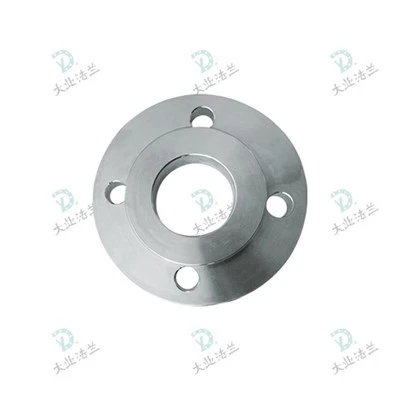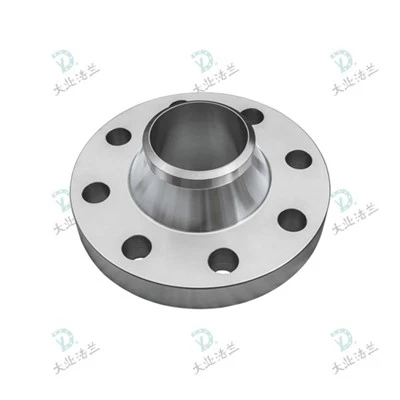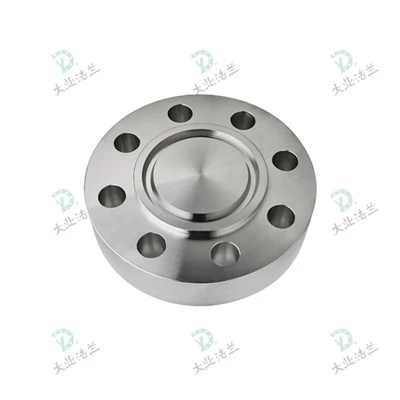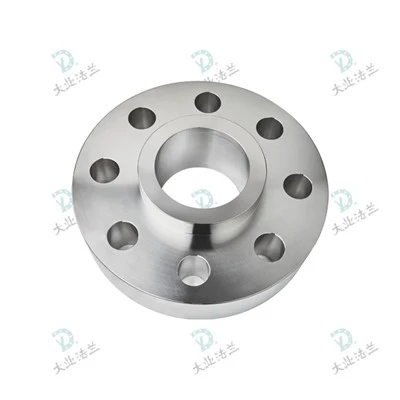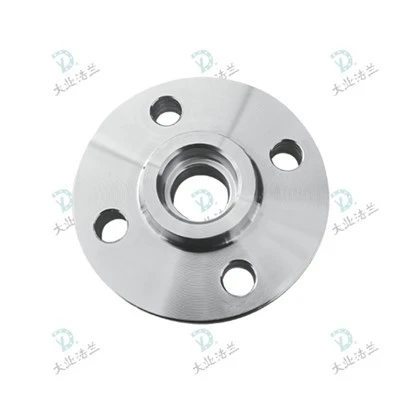


Stainless steel flanges are resistant to corrosion, pitting, and rusting, and are not easily worn. Stainless steel is one of the strongest metallic materials used in construction. Due to its excellent corrosion resistance, stainless steel flanges enable structural components to maintain the integrity of the engineering design.
In the stainless steel flange connection, a thermal load of 573 K is applied to the flange surfaces. No thermal insulation is applied to the flange or pipe surfaces; the analysis accounts for the impact of air gaps (within bolt holes and between the upper and lower flanges) and surface heat transfer on the system's temperature distribution.
A primary design limitation of stainless steel flanges is the inability to guarantee a leak-free seal. This stems from the dynamic nature of the connection: factors such as thermal expansion and fluctuating cyclic loads can cause movement between the flange faces, impairing functionality and compromising structural integrity, which leads to leakage.