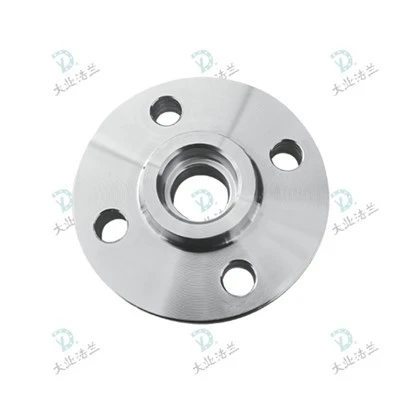


Convex pipe caps include: hemispherical caps, elliptical caps, dished caps, and spherical caps. From a stress perspective, hemispherical caps are progressively less desirable, but from a manufacturing perspective, they are progressively easier to manufacture.
Stainless steel: 304, 304L, 316, 316L, 321, 2520, 310, 317, etc.
Nominal diameter: DN15-DN1200
Wall thickness: SCH5-SCH160
Standards: ASME, DIN, JIS, BS, GB/T, JB, SH, HG
Applications: Water, beverages, beer, food, petrochemicals, nuclear power, machinery, medical equipment, fertilizers, shipbuilding, waterproofing, pipelines, etc.
Packaging: Wooden crates, cardboard boxes
Services: Technical consultation, installation guidance, etc. Avoid splicing at the 'r' point of dished caps, as this will result in thinning and high stress.
When splicing, the weld direction is only allowed to be radial and circumferential. This requirement may be eliminated for larger caps in the future. The splicing distance should be greater than 3δ and not less than 100mm (the heat-affected zone is a high-stress area, and its chemical composition will be lost due to burning. Therefore, this high-stress area should be avoided; this area is related to the thickness. Based on practical experience, the stress attenuation length should be greater than 3δ and not less than 100mm). However, refrigeration equipment is difficult to meet this requirement due to its unique characteristics.
After splicing, the weld seams of the formed head should undergo 100% radiographic or ultrasonic testing. The acceptance level follows that of the equipment shell. The final weld seam inspection level and proportion should be the same as that of the equipment shell; a higher level would be wasteful.