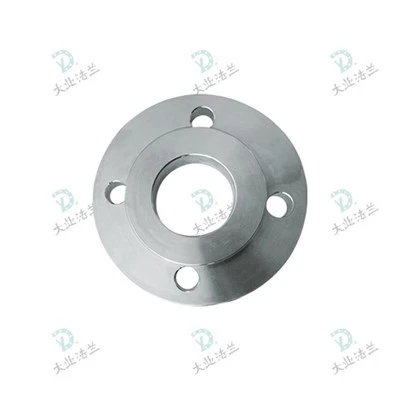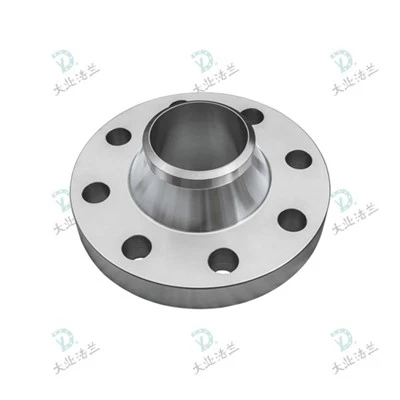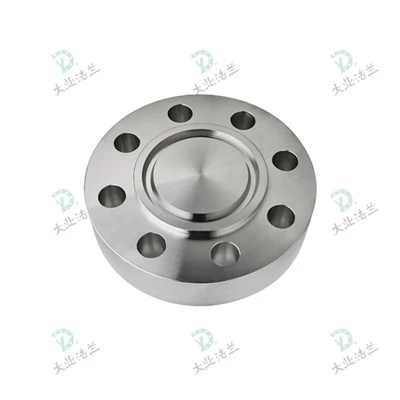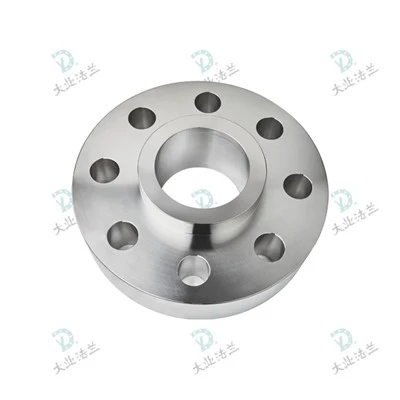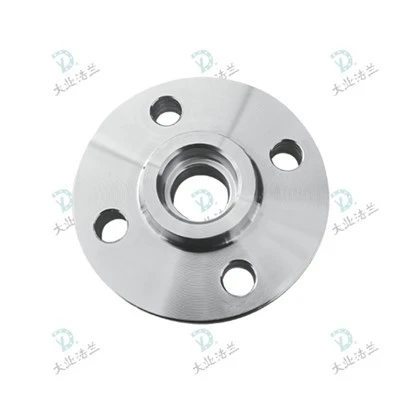


A flange is a mechanical connector that establishes a reliable link between pipes, valves, or equipment using a flanged structure (such as a sealing face) and bolted fasteners. Its core principles rely on a sealing mechanism-where a gasket is compressed to form a seal that prevents medium leakage-and a pressure-bearing design that distributes pressure evenly to avoid stress concentration. Common materials directly influence performance:
Carbon steel flanges (e.g., Grade 20#): Low cost and high strength; suitable for general pressure environments, though they have poor corrosion resistance and require anti-corrosion treatment.
Stainless steel flanges (e.g., 304): Offer excellent corrosion and oxidation resistance; suitable for clean industries such as food processing and pharmaceuticals.
Alloy flanges (e.g., 16Mn): Enhanced with alloying elements for greater toughness and strength; commonly used in medium-to-high-pressure systems.
Special material flanges (e.g., NO6625): Made of nickel-based alloys; resistant to high temperatures, high pressures, and corrosion; suitable for extreme operating conditions in sectors like chemicals or energy.
Material selection must align with the application environment: for instance, NO6625 alloy performs stably in sulfur-containing media, whereas 304 stainless steel is better suited for neutral environments. In real-world industrial scenarios, flange failure often stems from material incompatibility or design flaws; for example, when installing a DN100 flange on a pipe with a 114mm (φ114) outer diameter, precise alignment is essential to prevent eccentric stress.